Los mejores televisores RGB para comprar en Navidad
WIRED en Español · 25/11/2026 03:06 UTC
 GeoContexto
Tecnología · Ars Technica
Medio: Ars Technica · feeds.arstechnica.com · País del medio: Internacional
EXTRACTO DEL FEED · ATRIBUIDO AL MEDIO
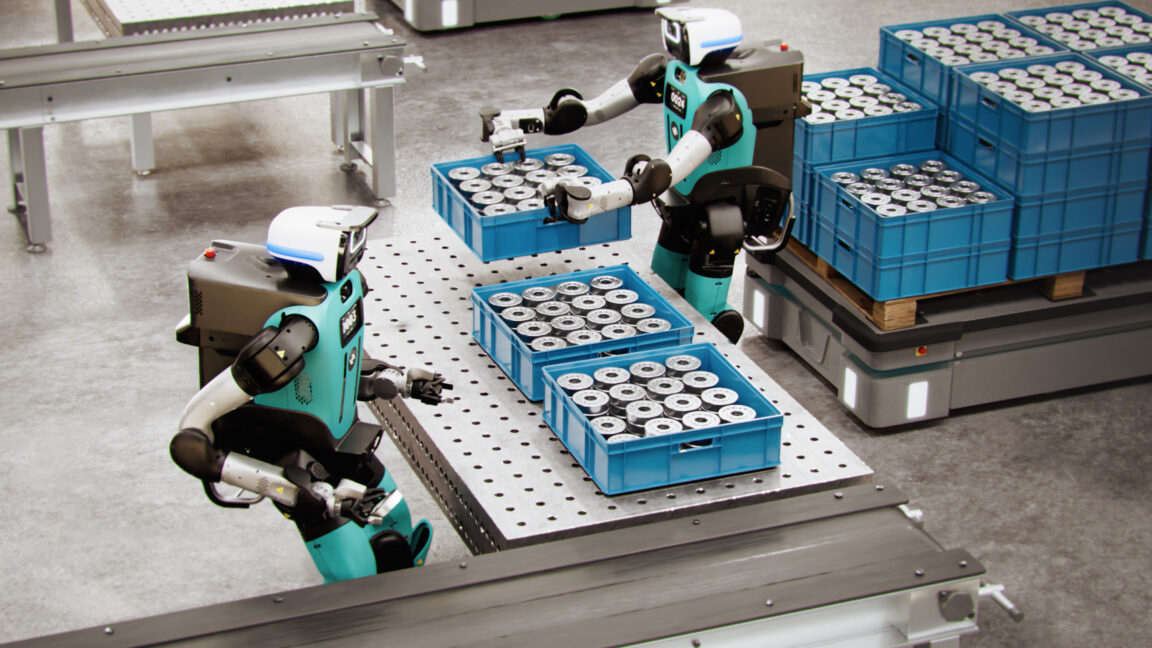
Humanoid robots remain unproven at scale and have not yet achieved widespread commercialization, compared with industrial robots that have decades of proven track records in warehouses and factories. That frank acknowledgment is among the risks outlined in a securities filing by Agility Robotics—the first dedicated developer of humanoid robots to become a publicly traded company in the United States.
The robotics company, headquartered in Salem, Oregon, previously became the first to achieve full-time commercial deployment of humanoid robots at a customer warehouse in 2024. Now, Agility’s public listing on the Nasdaq stock exchange as of November 5 has come with financial disclosures detailing how the company plans to build a business around renting out or selling humanoid robots to perform manual labor.
“When we are doing robots as a service, it is much lower risk for customers to use it because they are getting a return on investment on day one,” Jonathan Hurst, co-founder and chief robot officer at Agility Robotics, told Ars. "Because they're paying a rate that is comparable to the human labor rate, and that makes the economics pretty straightforward.”
Read full article
Comments
Leer la noticia original en Ars Technica ↗Países detectados en el texto: Estados Unidos · Clasificación automática.
Esta ficha es un índice atribuido a una fuente externa. Para el análisis propio y el contexto comparado, consulta Análisis y contexto.
No se asigna un porcentaje de verdad. La coincidencia entre publicaciones mide cobertura, no demuestra exactitud ni independencia.
Escala de 0 a 5 o más dominios. La agrupación usa similitud de titulares dentro de una ventana de 48 horas y puede equivocarse.
Cómo funciona el contraste →